

Overview & History
DynamoBot is a German agricultural robotics company specialised in AI-powered precision weed management, autonomous field robotics, machine vision, and plant-level intervention technologies. Headquartered in Bonn, Germany, the company emerged as a spin-off from the prestigious PhenoRob Cluster of Excellence and the University of Bonn, one of Europe’s leading agricultural robotics research centres. The company was formally established in 2023–2024 with the objective of commercialising advanced field robotics technologies developed during years of academic research.
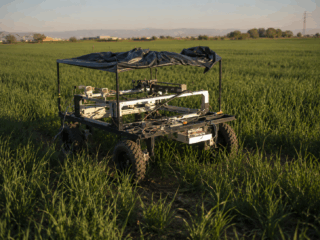
The origins of DynamoBot can be traced to the development of BonnBot, an autonomous agricultural robot created within the PhenoRob research ecosystem. BonnBot was designed to bridge the gap between field monitoring and physical intervention by identifying individual plants and applying targeted treatments. Through extensive research in robotics, artificial intelligence, and agricultural engineering, the team developed technologies capable of detecting crops and weeds at plant level and executing precise interventions with minimal environmental impact.
Recognising the commercial potential of these technologies, founder and CEO Dr. Alireza Ahmadi launched DynamoBot to transform academic research into practical farming solutions. The company’s mission is not simply to automate agricultural operations but to fundamentally redefine weed management through highly targeted interventions that dramatically reduce chemical use while improving operational efficiency.
Today, DynamoBot occupies a highly strategic position within the agricultural robotics ecosystem, operating at the intersection of artificial intelligence, computer vision, autonomous systems, and precision agronomy. Unlike conventional machinery manufacturers, the company is building an intervention platform capable of treating individual plants rather than entire fields.
Corporate Structure / Ownership
DynamoBot operates as DynamoBot GmbH (Dynamic Mobile Robotics), an independent German ag-tech startup headquartered in Bonn. The company remains founder-led under Dr. Alireza Ahmadi, whose background combines robotics engineering, artificial intelligence, geodetic engineering, and agricultural robotics research.
The organisation integrates:
- agricultural robotics
- artificial intelligence
- machine vision
- precision agriculture
- autonomous systems
- field robotics
- software development
- agronomic decision systems
A defining characteristic of DynamoBot is its strong research heritage. Unlike many startups that adapt existing technologies, the company originates directly from one of Europe’s most advanced agricultural robotics programmes. This gives DynamoBot access to highly specialised expertise in autonomous field operations and precision intervention technologies.
The company remains focused on a single strategic domain: intelligent weed management and plant-specific field interventions.
Core Business & Product Portfolio
DynamoBot’s core business is the development of AI-powered weed-management systems and autonomous precision-intervention technologies.
DynamoBot Precision Weed Management Platform
The company’s flagship technology is a multi-intervention weed-management platform capable of identifying individual plants and selecting the most appropriate treatment method.
The system integrates:
- plant detection
- crop identification
- weed classification
- intervention selection
- automated treatment
Unlike conventional weed-control systems, DynamoBot can apply different intervention methods simultaneously depending on the characteristics of individual plants.
Multi-Intervention Weeding Technology
One of the company’s most distinctive innovations is its ability to combine multiple intervention methods within a single operational platform.
These include:
- mechanical treatment
- chemical treatment
- electrical treatment
The system automatically determines the appropriate intervention based on plant classification and operational objectives. This significantly increases flexibility compared with conventional weeding systems that typically rely on a single treatment method.
WeSee
WeSee is designed primarily for conventional farming operations.
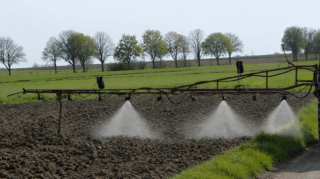
The platform allows farmers to retrofit existing sprayers with AI-powered weed-recognition capabilities.
Key functions include:
- real-time weed detection
- spot spraying
- herbicide reduction
- camera-based operation
The system can reduce chemical use dramatically by treating only identified target plants rather than applying blanket applications across entire fields.
WeWeed
WeWeed targets organic and regenerative farming systems.
The solution provides:
- robotic weeding services
- plant-level interventions
- mechanical weed control
- electrical weed control
Rather than requiring farmers to purchase new machinery, the platform can be deployed as a service model with payment based on treated area.
AI Crop & Weed Recognition
The software layer represents the technological core of DynamoBot.
Capabilities include:
- crop recognition
- weed identification
- biodiversity-aware classification
- decision support
- intervention planning
The system reportedly achieves plant-recognition accuracy above 97% under validated field conditions.
Product Scope Clarification
DynamoBot does not manufacture:
- tractors
- combines
- seed drills
- sprayers
- tillage equipment
- harvesting machinery
Its products are AI-powered intervention systems that can be integrated with existing farm machinery or deployed on autonomous robotic platforms.
Technology & Engineering / Digital Approach
DynamoBot’s engineering philosophy combines:
artificial intelligence + robotics + computer vision + plant-level intervention
The company’s core technological premise is that weed management should occur at the individual-plant level rather than through field-wide treatments. This represents a fundamental shift from conventional agricultural practice.
Key technological components include:
- AI-based plant recognition
- computer vision
- field robotics
- autonomous decision systems
- precision intervention engines
- digital weed mapping
A particularly distinctive feature is the company’s ability to combine multiple intervention methods within a single operational framework. Instead of forcing growers to choose between mechanical, chemical, or electrical treatments, DynamoBot enables all three simultaneously depending on field conditions and plant characteristics.
The technology is designed to support:
- conventional farming
- organic farming
- regenerative agriculture
- biodiversity-sensitive farming systems
Positioning:
AI-powered precision weed-management and intervention platform.
Manufacturing & Industrial Footprint
DynamoBot operates from Bonn, Germany, with development activities closely linked to the University of Bonn and the PhenoRob ecosystem.
Its activities focus on:
- robotics development
- software engineering
- AI model training
- machine vision systems
- field testing
- prototype deployment
The company currently follows a technology-driven industrial model rather than a traditional manufacturing model. Its primary assets are software, algorithms, robotics architectures, and intervention systems rather than large-scale machinery production facilities.
The industrial footprint remains relatively compact but highly specialised.
Markets & Distribution / Customer Base
Customer Segments
DynamoBot primarily targets:
- arable farmers
- organic farms
- regenerative farms
- agricultural contractors
- farm service providers
- technology-oriented farming businesses
Its solutions are especially relevant where:
- herbicide reduction is a priority
- labour shortages exist
- biodiversity preservation is important
- precision agriculture adoption is increasing
Geographic Presence
The company’s initial focus is Europe, particularly markets facing:
- stricter pesticide regulations
- rising labour costs
- sustainability requirements
- precision agriculture adoption
Field validation has been conducted on European farms, and the technology is designed to support both conventional and organic farming systems.
Its long-term expansion logic follows regions where input reduction and sustainable crop management are becoming strategic priorities.
Strengths & Competitive Advantages
Key strengths include:
- direct origin from advanced academic research
- strong AI and robotics expertise
- multi-intervention weed-control capability
- plant-level decision-making architecture
- compatibility with existing farm machinery
- biodiversity-aware weed management
- high automation potential
A particularly important advantage is the company’s ability to combine mechanical, chemical, and electrical interventions within a single operational system. Most competing technologies specialise in only one intervention method.
The PhenoRob and University of Bonn heritage also provides a strong scientific foundation for future innovation.
Weaknesses / Constraints
Structural limitations include:
- startup scale
- limited installed base
- early-stage commercialisation
- dependence on technology adoption rates
- relatively small distribution footprint
Compared with major agricultural OEMs, DynamoBot lacks:
- global dealer networks
- large-scale manufacturing infrastructure
- extensive service organisations
- diversified product portfolios
The company must also demonstrate long-term economic performance under diverse farming conditions before achieving widespread adoption.
Outlook & Opportunities
DynamoBot is positioned around several major structural trends:
- precision agriculture
- herbicide reduction
- autonomous farming
- AI adoption
- biodiversity preservation
- regenerative agriculture
Key opportunities include:
- expansion of retrofit systems
- autonomous robotic deployment
- robotic-as-a-service models
- integration with OEM platforms
- growth in sustainable agriculture programs
- regulatory support for reduced chemical use
As agriculture increasingly shifts from field-level management toward plant-level management, DynamoBot’s technology becomes increasingly relevant. The company’s architecture aligns closely with the broader industry transition toward intelligent, autonomous, and environmentally targeted farming systems.
Summary Table
| Category | Highlights |
|---|---|
| Name | DynamoBot GmbH |
| Headquarters | Bonn, Germany |
| Core Business | AI-powered precision weed management |
| Product Range | WeSee, WeWeed, multi-intervention weeding platform |
| Technology Focus | AI, robotics, computer vision, plant-level intervention |
| Strengths | Multi-intervention capability, research heritage, AI expertise |
| Weaknesses | Startup scale, limited commercial deployment |
| Primary Markets | Europe |
| Positioning | Precision weed-management and intervention specialist |
Bottom Line
DynamoBot represents one of the most advanced examples of the emerging transition from field-scale agriculture to plant-scale agriculture. Rather than treating fields as homogeneous environments, the company focuses on identifying, classifying, and managing individual plants through AI-powered intervention systems.
Its strategic significance lies not simply in automation but in decision-making. DynamoBot’s platform determines what plant is present, whether action is required, and which intervention method is most appropriate. This transforms weed management from a blanket treatment process into a highly targeted biological management system. If plant-level agriculture becomes a mainstream farming paradigm, DynamoBot is positioned within one of the most strategically important layers of the future agricultural machinery ecosystem.