

Kubota has announced an additional investment in French agtech company UV Boosting, deepening a partnership that began in 2024 and reinforcing its commitment to alternative crop protection technologies. The investment will further strengthen collaboration between the two companies as Kubota expands the commercialization of UV Boosting’s plant-resistance technology across Europe.
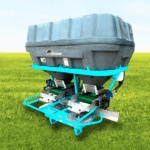
Founded in France in 2017, UV Boosting has developed a patented technology that uses controlled UV-C light flashes to stimulate a plant’s natural defense mechanisms. Rather than directly targeting pathogens, the system triggers the production of salicylic acid and other plant hormones, helping crops better resist diseases, drought stress and frost damage. The technology is already being deployed in vineyards, orchards and specialty crops, and Kubota has recently begun full-scale commercialization through its European distribution network.
The strategic importance of the investment extends beyond a single technology. As regulatory pressure on chemical crop protection products increases across Europe, OEMs are increasingly looking beyond traditional machinery and investing directly in biological, digital and non-chemical crop protection solutions. Kubota has already expanded its agtech investment activity through companies such as Kilter and now appears to be building a broader ecosystem focused on sustainable crop production technologies.
Field trials cited by Kubota indicate that UV Boosting’s technology has achieved up to a 40% reduction in disease incidence and a 13% increase in vineyard yields, supporting its potential as a commercially viable complement to conventional crop protection programs.
Bottom Line
Kubota’s additional investment in UV Boosting is not simply a financial transaction. It signals a broader strategic shift in which machinery manufacturers are becoming active participants in crop protection innovation. As sustainability requirements tighten and chemical inputs face increasing scrutiny, technologies that strengthen plant resilience rather than directly attack pathogens could become an increasingly important part of the future agricultural toolkit.