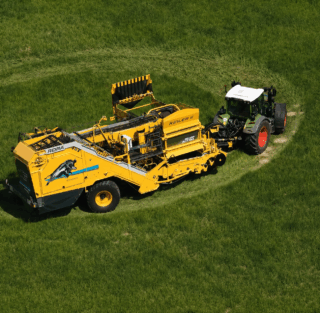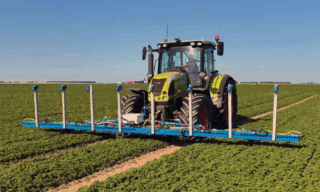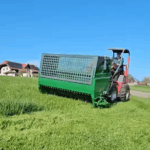


Agromaster is conducting field tests on a new compactor platform developed from the company’s Taylermaster cultivator architecture, signaling a broader push toward multifunctional soil-preparation systems capable of combining cultivation, leveling, and consolidation operations within a single workflow. The project reflects the growing industry trend toward reducing field passes while improving soil consistency and operational efficiency in large-scale arable farming.
The new Agromaster compactor appears to leverage the structural platform and frame concept of the Taylermaster cultivator while adapting the machine for seedbed consolidation and surface-finish applications. Strategically, this approach allows Agromaster to expand its implement portfolio while reducing development complexity through the reuse of an already established chassis and agronomic architecture.
Beyond the machine itself, the development highlights how implement manufacturers are increasingly focusing on integrated soil-management systems rather than standalone tillage tools. Compactors are gaining importance because seedbed uniformity, moisture retention, and reduced-pass agronomy are becoming increasingly relevant in modern cereal and row-crop farming systems, especially where fuel efficiency and labor optimization are critical.
The broader strategic signal is that the implement market is progressively moving toward modular platforms capable of serving multiple agronomic functions with limited structural redesign. This allows manufacturers to accelerate product development cycles while offering dealers and farmers wider machine versatility within existing product families.
Bottom Line
Agromaster’s new compactor project reflects a wider structural evolution occurring in tillage and seedbed equipment markets, where operational integration and multifunctionality are becoming increasingly important competitive factors. Rather than developing isolated machines for each agronomic task, OEMs are progressively building adaptable implement ecosystems designed to reduce passes, simplify fleet structures, and improve overall field efficiency. The trend also reinforces how platform-sharing strategies are expanding from tractors into the implement sector itself.