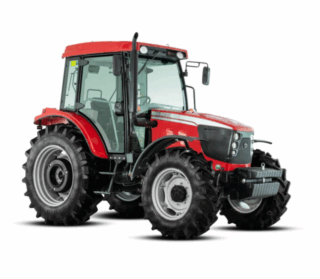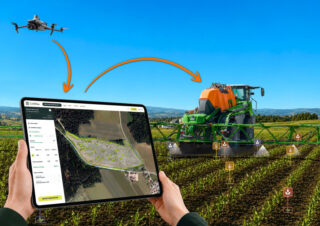

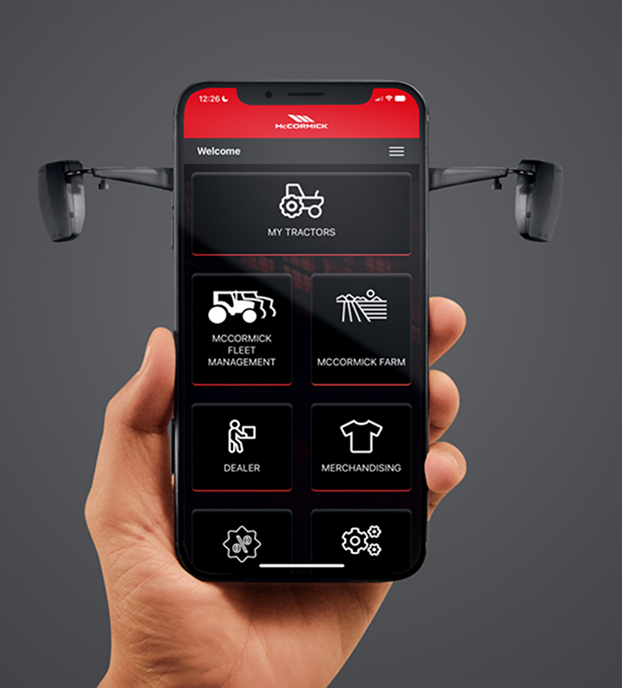
McCormick is increasingly redefining the role of the tractor by expanding its Digital Solutions ecosystem around telematics, remote diagnostics, precision farming, and farm management tools. Rather than treating connectivity as an optional feature, the company is embedding data management into machine operation, positioning digital services as a core productivity layer across agricultural workflows.
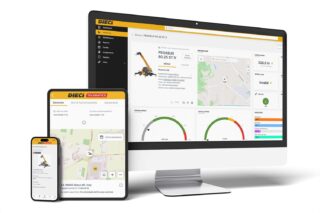
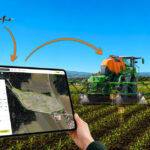
The McCormick Digital Solutions package combines Fleet & Remote Diagnostics Management, McCormick Farm, Precision Steering Management, and cloud-based connectivity functions capable of monitoring fuel consumption, maintenance intervals, geolocation, machine status, field activities, prescription maps, and agronomic planning. The ecosystem also integrates satellite guidance, automated headland turns, ISOBUS compatibility, and prescription-based variable-rate operations.
Strategically, the significance extends beyond digital features themselves. McCormick appears to be moving toward a model where tractors increasingly become data-generation platforms connected to broader farm management systems. This shifts competitive focus away from horsepower and mechanical specifications alone toward operational intelligence, predictive maintenance, workflow automation, and input optimization.
The deeper industry signal is that agricultural machinery manufacturers are progressively competing on ecosystem control rather than standalone products. OEMs capable of integrating machine data, agronomic recommendations, fleet monitoring, and precision operations into a unified interface may strengthen customer retention while creating recurring service relationships beyond the initial equipment sale.
Bottom Line
McCormick’s Digital Solutions strategy highlights how value creation in agricultural machinery is progressively moving from iron to information. As farms become increasingly data-driven, future OEM competitiveness may depend less on manufacturing tractors and more on orchestrating digital ecosystems capable of converting machine data into agronomic and economic decisions. The emerging battleground is no longer only the tractor itself, but ownership of the operational intelligence surrounding it