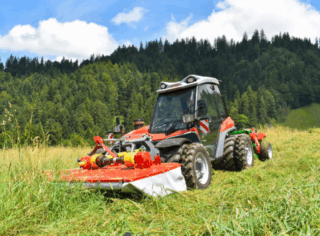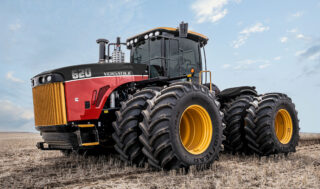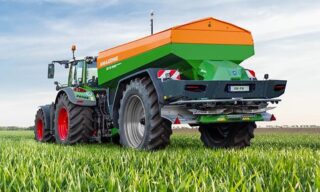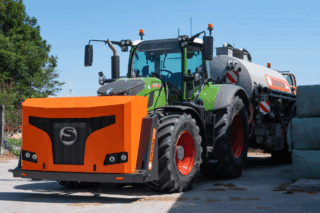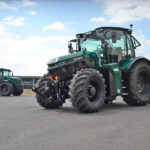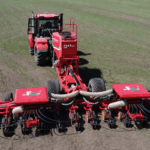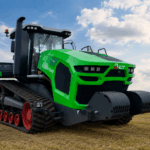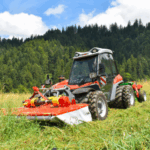


According to cropping systems expert Chris Reberg-Horton, the future of precision agriculture lies in ubiquitous camera deployment on every piece of field equipment. While fully autonomous farm robots remain a decade or more away, computer-vision cameras are available today and can immediately transform crop management. These affordable, versatile devices can monitor fields in real time for disease symptoms, insect presence, weed pressure, and nutrient stress.
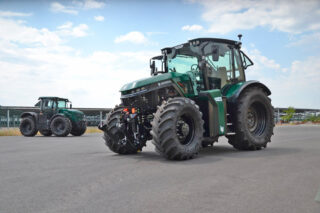
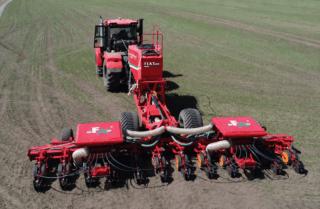
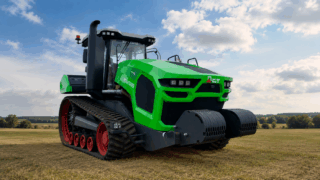
Reberg-Horton recommends equipping tractors, combines, and sprayers with cameras that continuously capture field imagery backed by trained AI models. As machinery moves across fields, the cameras can map stress indicators without adding labor. Developing accurate AI tools depends on expert annotation—similar to teaching a dog commands—using thousands of labeled images per task.
This camera-per-machine strategy promises to scale up real-time biomarkers in farming, enabling better input targeting, early problem detection, and efficient diagnostics. Reberg-Horton argues that this simple form of camera-based sensing represents the next step in precision agriculture, with immediate applicability and significant yield protection upside.