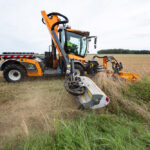

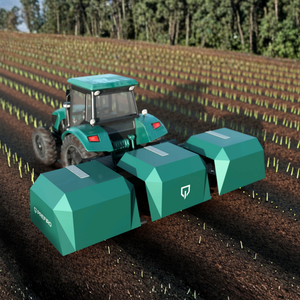
German startup Prefiro is presenting the Aspiro automated green asparagus harvester, an AI-assisted harvesting platform designed to reduce labor dependency and improve harvesting efficiency in specialty crop production. The machine is entering real-field demonstration phases across Germany ahead of an initial commercial rollout planned for the 2027 season, signaling the growing acceleration of robotic harvesting technologies in high-labor horticultural segments.
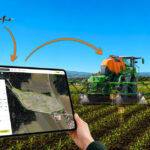
The Prefiro Aspiro platform combines camera systems, AI-based crop recognition, and modular robotic harvesting technology to identify and harvest green asparagus under commercial operating conditions. According to the company, the current late-stage prototype is already operating at six farms in Germany, with initial output targets of roughly 150 kg/hour and long-term targets reaching 300 kg/hour and up to 20 hectares per day.
Strategically, the project reflects a broader structural shift occurring in specialty agriculture, where automation is increasingly moving from experimental robotics toward commercially scalable harvesting systems. Crops such as asparagus remain highly labor-intensive and difficult to mechanize because of irregular growth patterns, delicate harvesting requirements, and narrow harvesting windows. This is creating strong incentives for OEMs and agri-robotics startups to develop AI-guided selective harvesting technologies capable of reducing labor exposure while maintaining crop quality.
The deeper industry implication is that harvesting robotics may progressively evolve into one of the most strategically important segments within agricultural automation. Unlike traditional tractor autonomy focused primarily on broadacre efficiency, robotic harvesting targets labor scarcity directly, particularly in horticulture sectors increasingly affected by seasonal workforce shortages, rising wages, and tightening immigration regulations across Europe.
Bottom Line
Prefiro’s Aspiro project highlights how AI-powered harvesting robotics are progressively transitioning from prototype experimentation toward operational field deployment in specialty crops. The strategic relevance extends far beyond asparagus itself: labor-intensive horticulture may become one of the earliest large-scale commercial adoption environments for agricultural robotics because the economic pressure for automation is structurally higher than in conventional row-crop farming. The broader market signal is that future competition in specialty agriculture may increasingly revolve around robotic harvesting efficiency, selective crop recognition capability, and scalable AI-assisted field automation.
To dive deeper: https://agrotimes.ua/tehnika/prefiro-prezentuye-kombajn-dlya-zbyrannya-sparzhi/