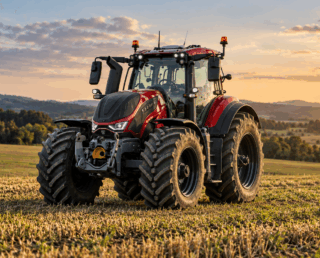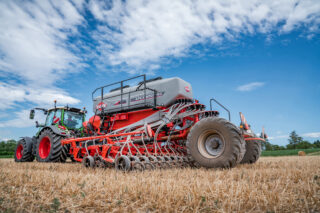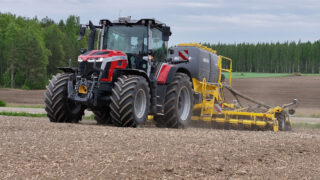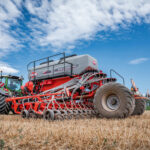

CNH will begin rolling out revised emissions-system software across its North American equipment portfolio from Q4 2026, starting with high-horsepower agricultural machinery. The updates respond to revised U.S. Environmental Protection Agency guidance governing how quickly emissions-system faults can trigger engine inducements or derates. Rather than changing emissions limits themselves, the new framework gives operators more time to diagnose and repair certain faults before machine performance is significantly restricted, addressing a longstanding uptime concern for farms operating within narrow planting and harvesting windows.
The regulatory change behind the update is substantial. EPA guidance for non-road equipment introduced a 36-hour period before an initial 25% torque reduction, with a more severe 50% reduction occurring after 100 hours, replacing previous arrangements that could lead to idle-only operation after just four hours in some circumstances. EPA subsequently announced additional changes in March 2026 addressing DEF sensor requirements, while maintaining that the measures alter fault-management requirements rather than relaxing underlying emissions standards. CNH will translate the revised framework into new engine software, initially prioritizing high-horsepower agricultural machines before expanding availability to additional product families throughout 2027.
The development also illustrates how software is becoming part of agricultural machinery uptime strategy, even in areas traditionally treated primarily as engine compliance. Customers with a CNH Electronic Service Tool subscription will be able to install eligible updates themselves, while dealers will be able to provide remote or on-site support. For farmers, the practical value is not the ability to ignore an emissions-system fault, but greater control over when the machine must be stopped for repair. During planting or harvest, shifting a forced intervention from an immediate operational problem toward a manageable service window can have meaningful economic value.
Bottom Line
CNH’s software update turns a regulatory change into an uptime feature. The underlying emissions requirements remain, but the machine will have greater flexibility over how quickly certain faults translate into power restrictions. For high-horsepower agricultural equipment operating during time-critical field windows, that distinction matters: software is increasingly determining not only what a machine can do, but when it is allowed to keep working when something goes wrong.