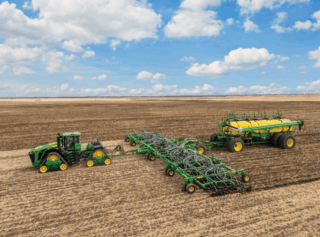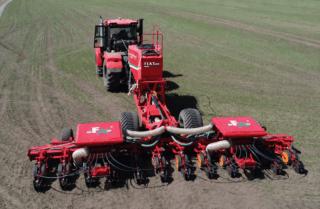

PTx, through its Precision Planting brand, has introduced DrySet Air, a new electric-drive metering and monitoring system designed to upgrade air seeders with higher levels of precision, automation and application control. Unveiled at Ag in Motion 2026 in Saskatchewan, the system enables growers to monitor product flow variation, application rates and downforce while independently controlling seed and fertiliser delivery at the tower level. Compatible with selected John Deere air carts and integrated through Precision Planting’s 20|20 display, DrySet Air expands the company’s retrofit technology portfolio aimed at improving the performance of existing seeding equipment.
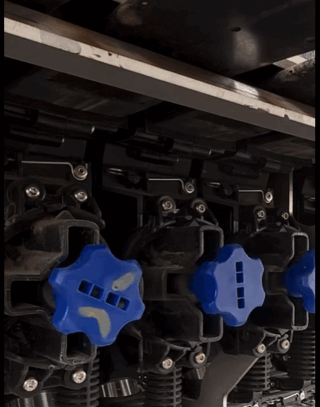
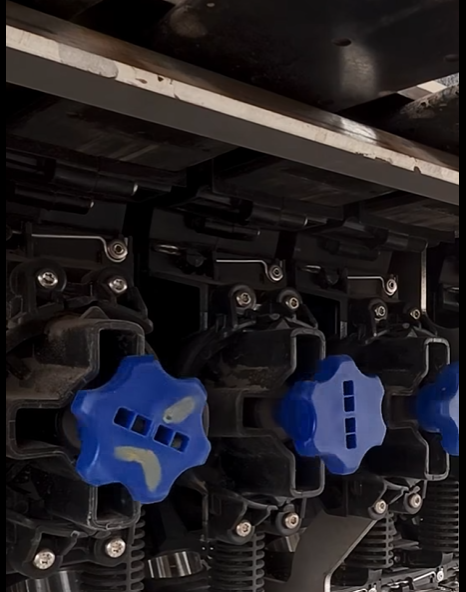
Unlike conventional mechanical metering systems, DrySet Air uses electrically driven meters housed in corrosion-resistant stainless-steel assemblies to improve application accuracy and durability. The platform supports independent variable-rate prescriptions for each tank, allowing different seed and fertiliser products to be managed simultaneously according to field variability. Additional capabilities include tower-by-tower section control, turn compensation and compatibility with Clarity for enhanced monitoring of product flow and application performance. By combining these functions within a retrofit package, PTx enables operators to modernise existing air seeders without replacing the entire machine.
Bottom Line
DrySet Air reflects one of the strongest trends in precision agriculture: innovation is increasingly focused on upgrading existing machinery rather than replacing it. As equipment costs continue to rise, growers are placing greater value on retrofit technologies that extend the productive life of their fleets while delivering measurable agronomic improvements.
Strategically, PTx is reinforcing its position as a provider of machine-agnostic precision technology, shifting competition away from hardware alone and towards digital control, application accuracy and data-driven agronomy. The future of precision seeding is likely to be defined as much by intelligent retrofit ecosystems as by entirely new generations of seeders.