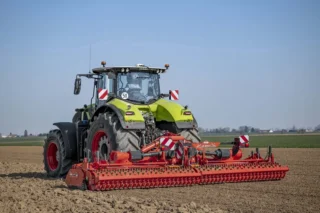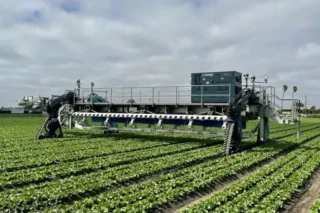


CLAAS has announced a major expansion of its CLAAS connect digital platform, introducing a new generation of tools designed to simplify farm management, fleet coordination and operational documentation. Among the most significant additions is Machine Sharing, which enables automatic exchange of machine and job data between farmers, contractors and agricultural businesses without manual imports or exports. The platform also introduces brand-independent fleet tracking, allowing users to monitor machinery from multiple manufacturers in real time through smartphone-based GPS positioning, Bluetooth iBeacons for non-connected implements and integrated telemetry. These capabilities are intended to reduce administrative workload while improving visibility across increasingly complex mixed-machine fleets.
The update goes beyond connectivity by introducing automatic field documentation, data-driven performance reports, and deeper integration with third-party technologies. New yield, fuel consumption and field performance analyses provide managers with actionable operational insights, while a partnership with Exatrek further expands multi-brand telemetry support. From autumn 2026, Machine connect licences will also renew automatically at no additional cost, and Remote Display View will become a standard feature, enabling remote diagnostics and operator support without extra hardware. Complementing these functions, the new DIGITAL CARE service package offers guided system setup, training and remote assistance to help users maximise the value of the platform throughout the season.
Bottom Line: The latest evolution of CLAAS connect demonstrates that the competitive battleground in agricultural machinery is shifting from connected machines to connected ecosystems. By embracing mixed-brand fleets, automated data sharing and open digital partnerships, CLAAS is positioning its platform as a farm-wide operational hub rather than a proprietary machine management tool. As farms increasingly operate equipment from multiple manufacturers, the ability to aggregate data, coordinate workflows and generate actionable insights across the entire fleet is becoming a strategic differentiator. The future of precision agriculture will depend not only on smarter machines, but on software platforms capable of connecting every machine, every field and every stakeholder into a unified digital workflow.