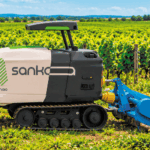

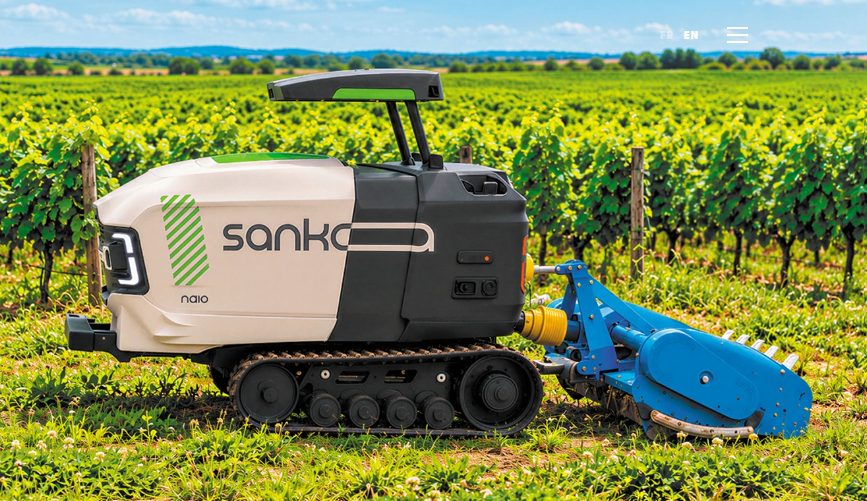
French agricultural robotics manufacturer Naïo has introduced SANKA, a new fully electric autonomous tracked platform designed to automate field operations while allowing farmers to continue using their existing agricultural implements. Presented as a world premiere at EIMA International 2026, the 2.2-tonne machine represents a different approach to agricultural robotics, prioritizing compatibility with conventional equipment rather than requiring dedicated robotic attachments. Available in Compact and Large configurations, SANKA is designed for applications including mechanical weeding, soil cultivation and vegetation management across vineyards, orchards and other specialized cropping systems.
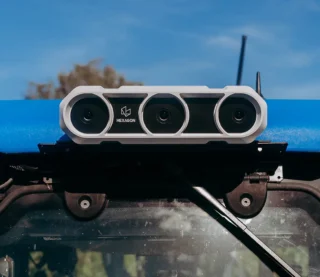
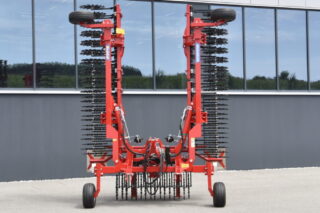
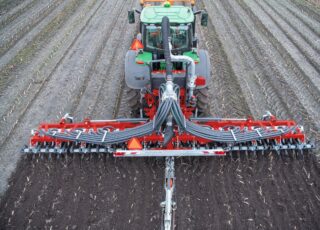
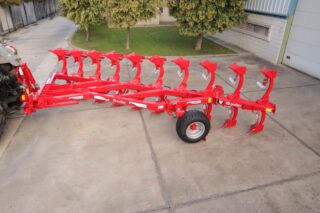
The platform incorporates a standard three-point linkage, power take-off, hydraulic connections and electrical interfaces, enabling it to operate a broad range of existing implements. It can handle equipment weighing up to one tonne and operate on slopes of up to 30%, using RTK-based autonomous navigation and integrated safety systems. A patented dynamic mass-balancing mechanism continuously adjusts weight distribution according to the attached implement, supporting traction and stability under changing operating conditions. Naïo has also developed a specialized tracked undercarriage in collaboration with Michelin to improve mobility and reduce soil compaction. Following four agricultural seasons of field testing, SANKA is entering pre-series production, with initial customer deliveries scheduled for the second half of 2027.
The launch highlights an important strategic question for agricultural robotics: whether autonomous machinery can achieve broader commercial adoption by integrating with equipment farmers already own. Compatibility with conventional implements could reduce the need for additional specialized investments and make robotic solutions more accessible to agricultural businesses. For Naïo, SANKA also represents an expansion beyond task-specific robots toward a versatile autonomous power platform capable of supporting multiple operations. Its commercial success will depend on operating economics, implement compatibility, reliability and the ability to demonstrate measurable productivity benefits under real farming conditions.
Bottom Line
Naïo’s SANKA introduces a potentially important alternative to dedicated agricultural robots by combining autonomous electric operation with conventional implement compatibility. The platform’s strategic significance lies in its ability to make existing farm equipment part of an automated operating system, potentially lowering one of the barriers to wider agricultural robotics adoption.